
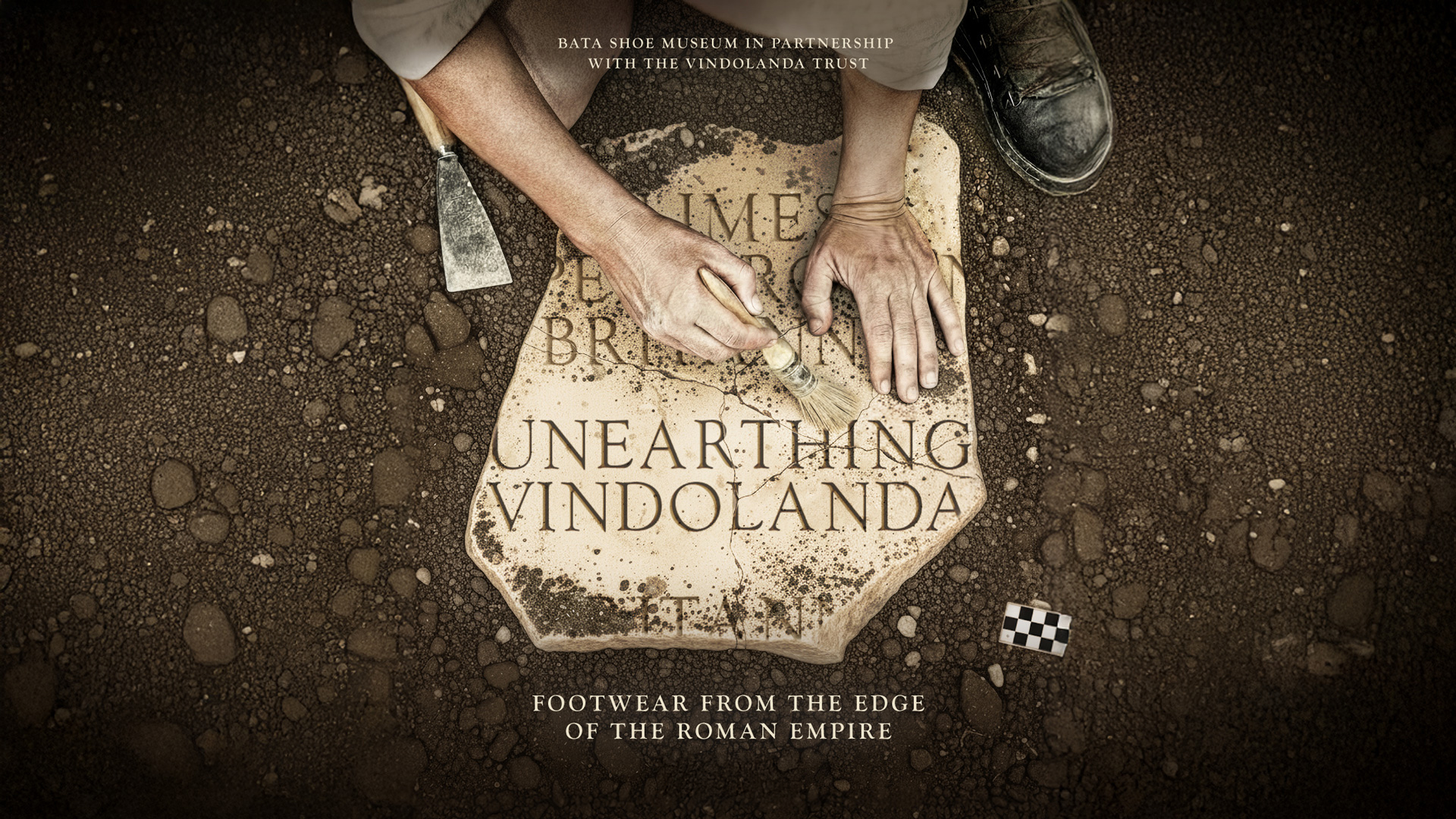
Unearthing Vindolanda: Footwear from the Edge of the Roman Empire
On view May 7, 2026 until September 2027
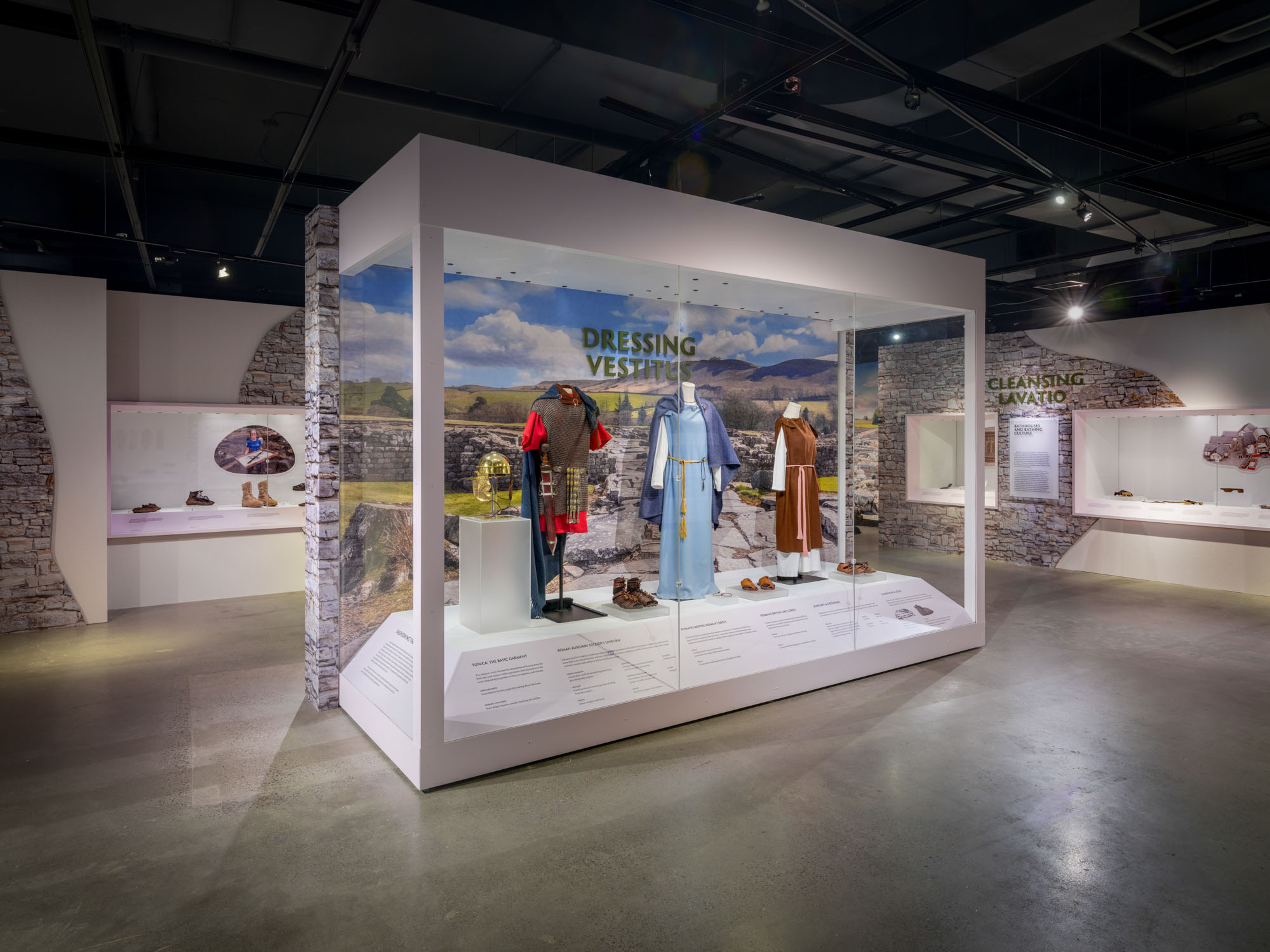
Discover over 100 footwear-related artifacts from Vindolanda, a Roman auxiliary fort and settlement located just south of Hadrian’s Wall in Northumberland, England. On view for the first time ever in North America, these remarkable objects are part of the Frontiers of the Roman Empire UNESCO World Heritage Site which is renowned for its ongoing archaeological excavations providing unprecedented accounts of ancient life at the edge of the Roman Empire.
When archaeologists at Vindolanda began finding a wide variety of shoes, our understanding of who lived in Roman military forts and settlements was changed. Researchers had long thought that Roman military garrisons were the domain of men alone. However, the footwear unearthed at Vindolanda revealed a much more complex story as archeologists found the sandals of elite women, shoes worn by little children, as well as sturdy and practical military boots of soldiers. As excavation work continues, it is now clear that nearly 2000 years ago, a vibrant community surrounded the Roman military garrison that included men, women, and children in significant numbers. The shoes they wore offer us a rare and special glimpse into the lives they lived at the outermost edge of the Roman Empire.
Curated by Barbara Birley, Curator, Vindolanda Museum, and Elizabeth Greene, Associate Professor of Classics and Canada Research Chair at Western University. Coordinated by Elizabeth Semmelhack, Director & Senior Curator, Bata Shoe Museum, including objects from the Vindolanda Trust.
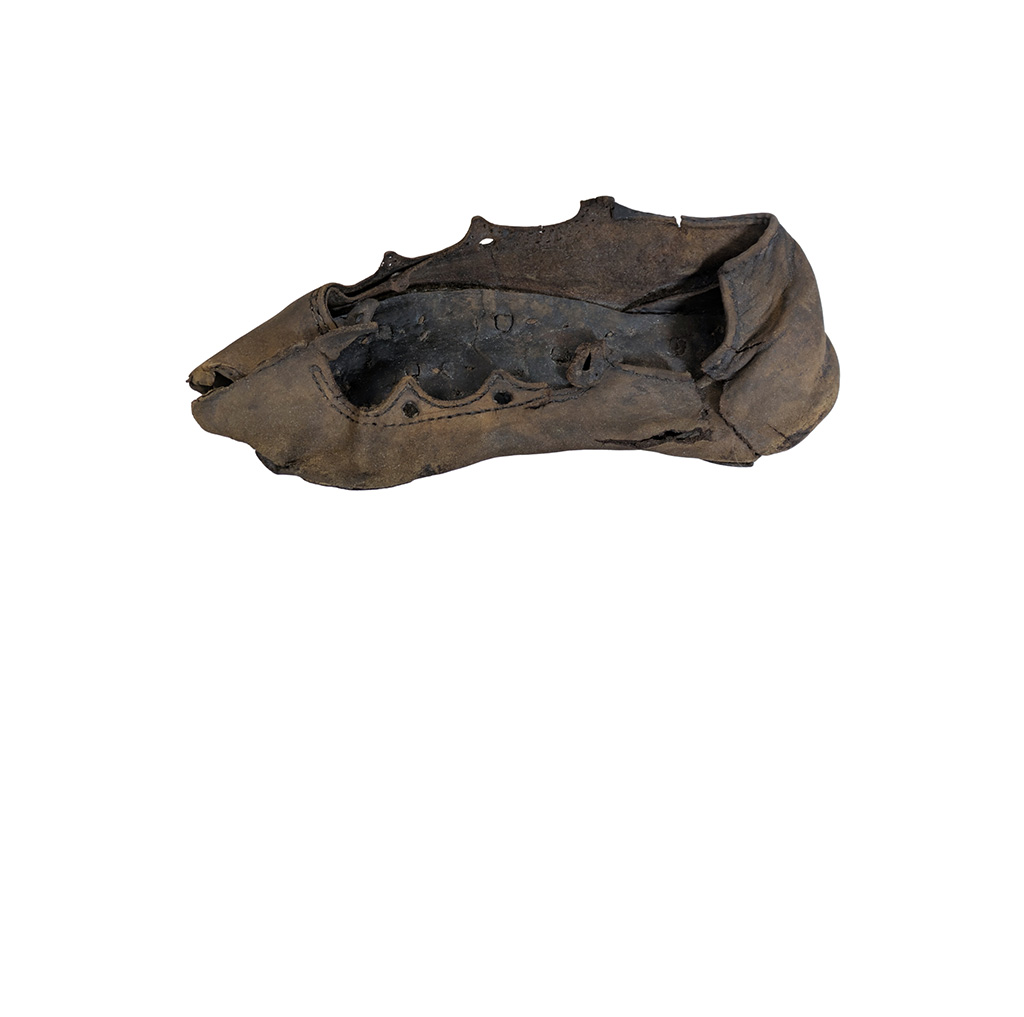
Collection of Vindolanda Trust, Mid 2nd century CE
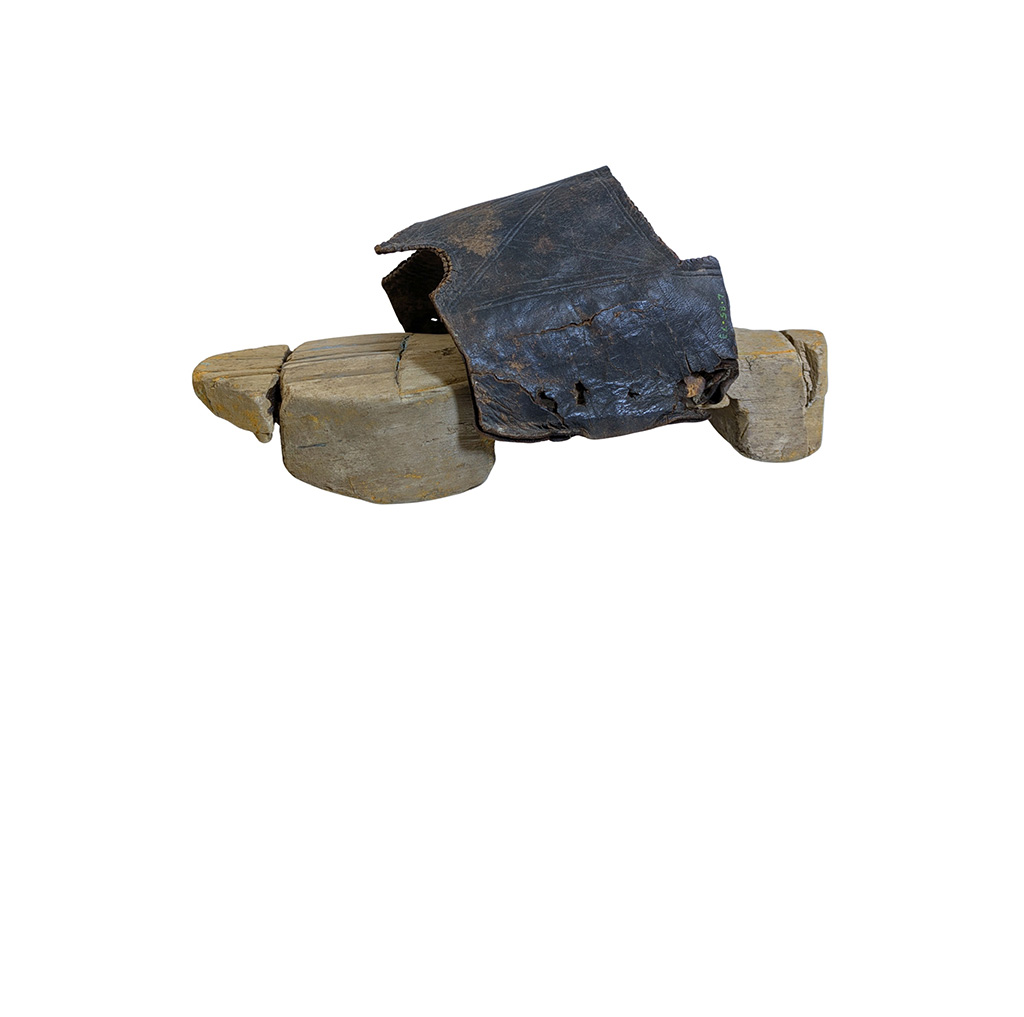
Collection of Vindolanda Trust, ca. 140-180 CE
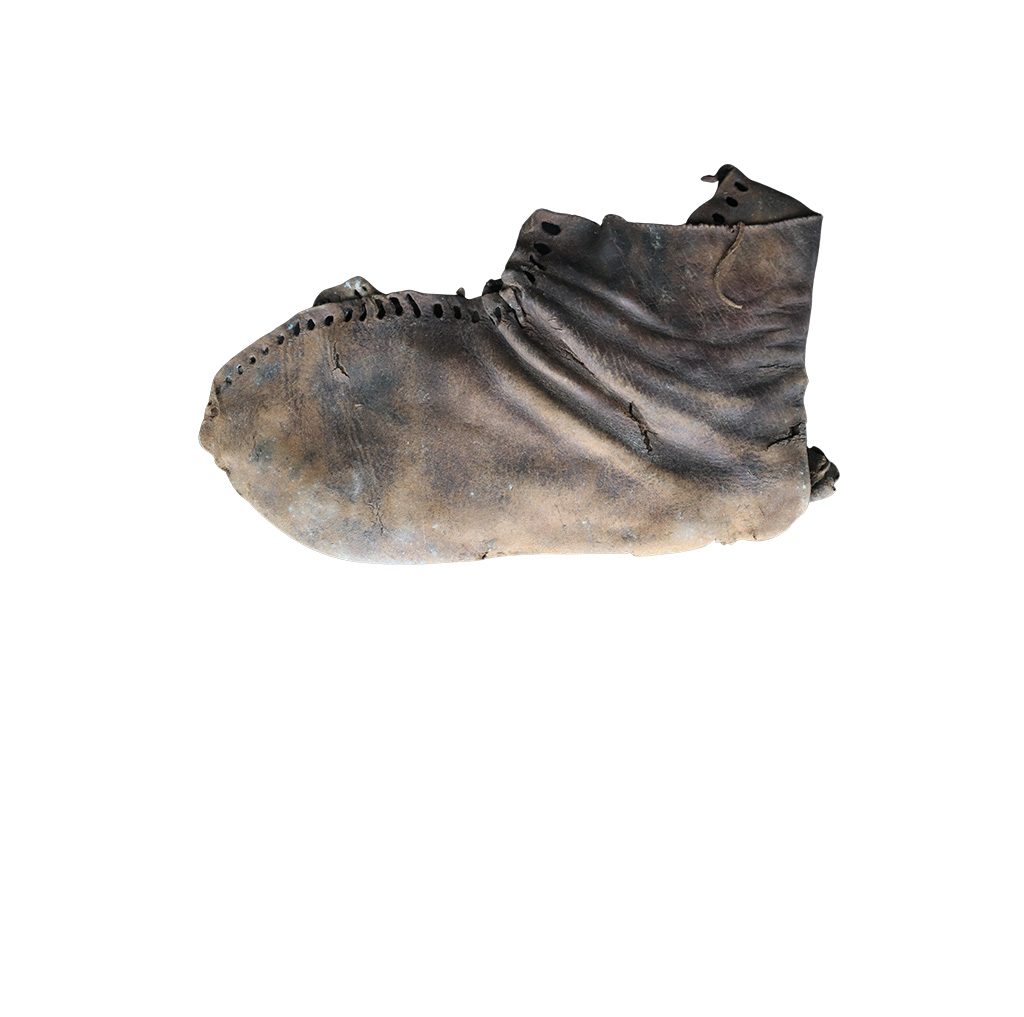
Collection of Vindolanda Trust, ca. 100-105 CE
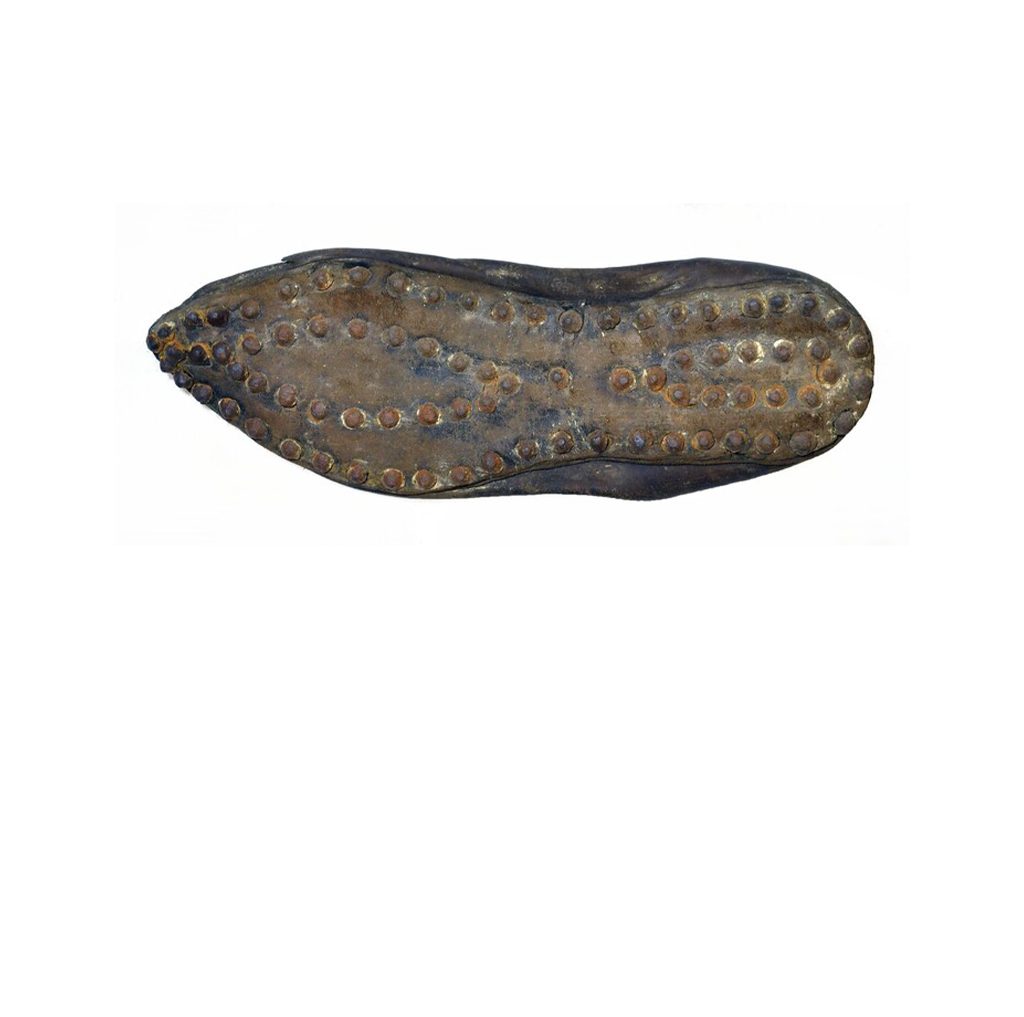
Collection of Vindolanda Trust, ca. 105-120 CE
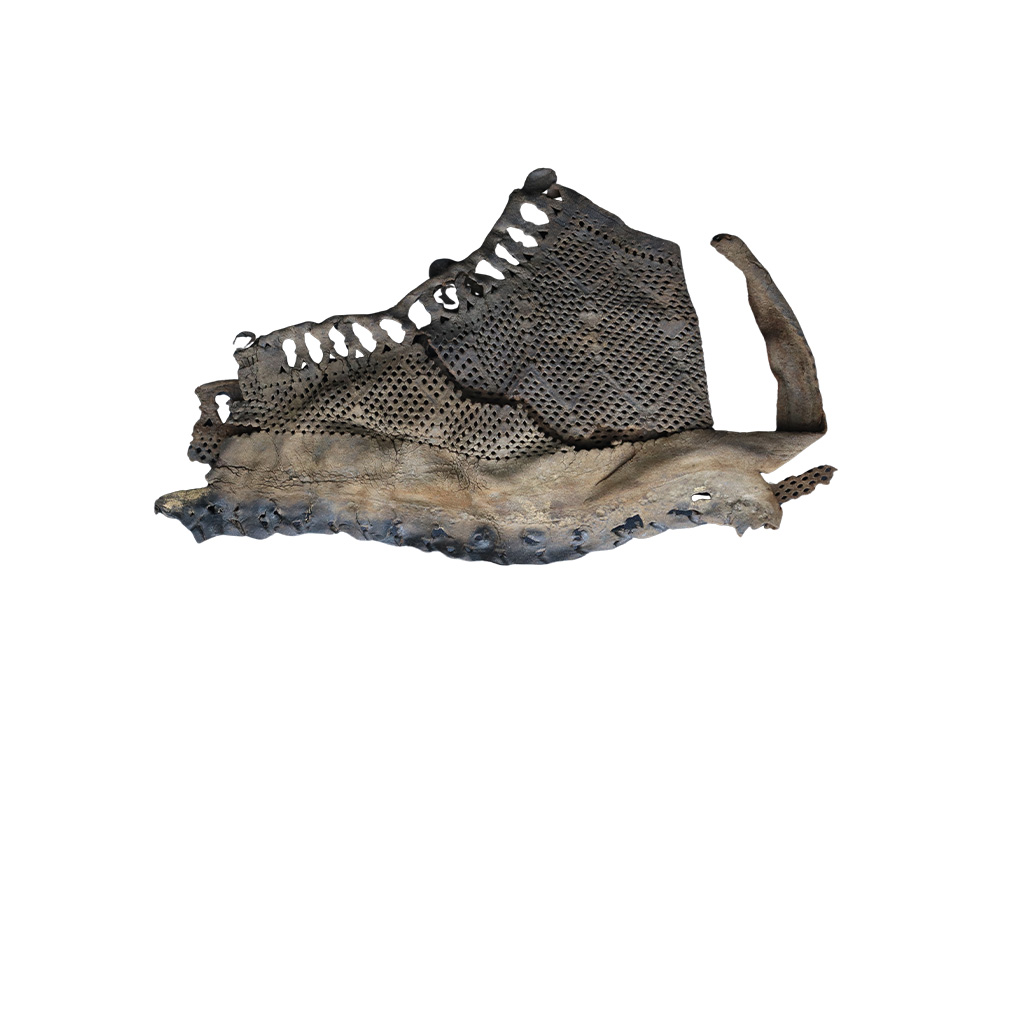
Collection of Vindolanda Trust, ca. 100-105 CE


