
Unearthing Vindolanda
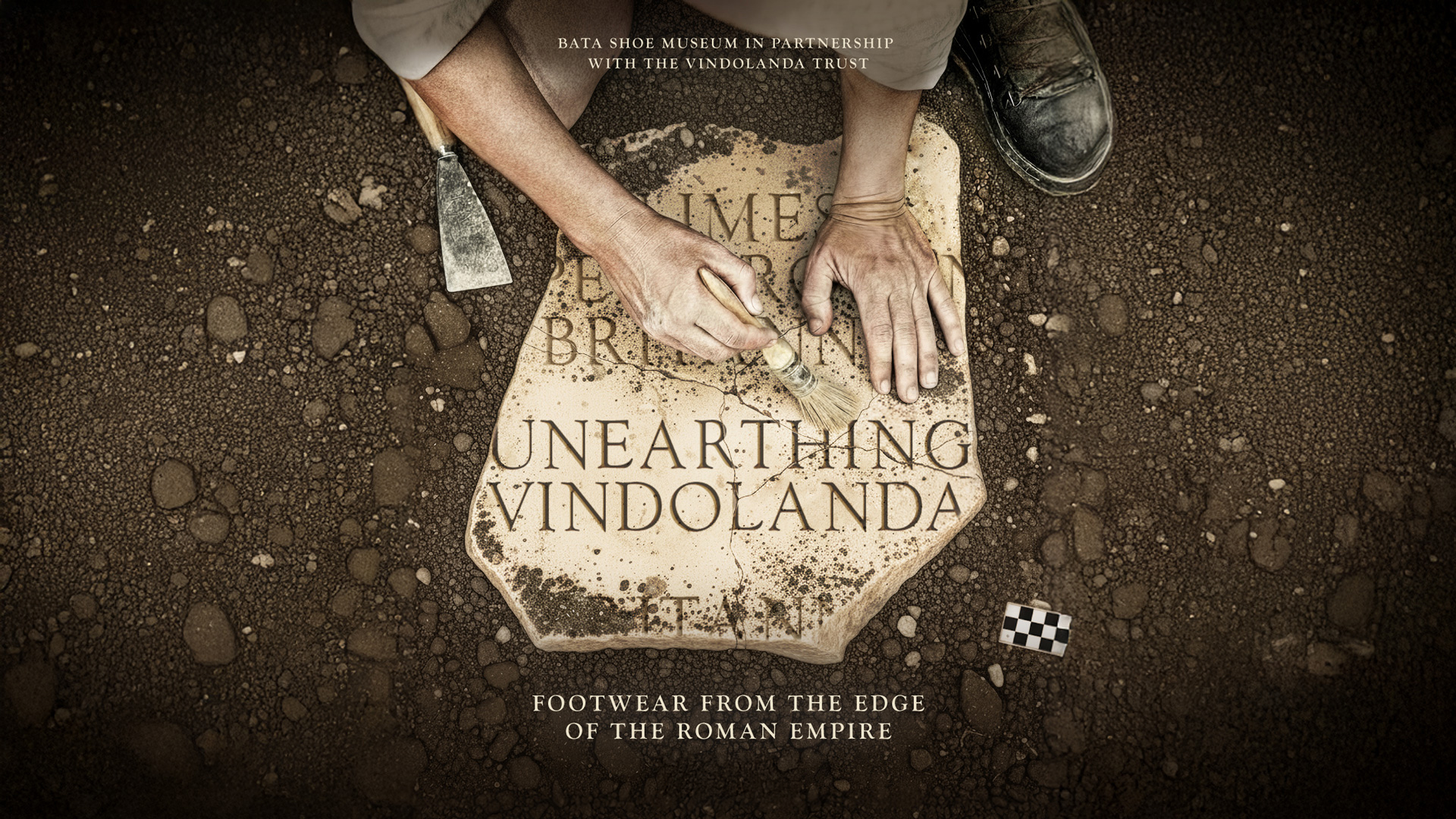
Unearthing Vindolanda: Footwear from the Edge of the Roman Empire
On view May 7, 2026 until September 2027.
Discover over 100 footwear-related artifacts from Vindolanda, a Roman auxiliary fort and settlement located just south of Hadrian’s Wall in Northumberland, England. On view for the first time ever in North America, these remarkable objects are part of the Frontiers of the Roman Empire UNESCO World Heritage Site which is renowned for its ongoing archaeological excavations providing unprecedented accounts of ancient life at the edge of the Roman Empire.
When archaeologists at Vindolanda began finding a wide variety of shoes, our understanding of who lived in Roman military forts and settlements was changed. Researchers had long thought that Roman military garrisons were the domain of men alone. However, the footwear unearthed at Vindolanda revealed a much more complex story as archeologists found the sandals of elite women, shoes worn by little children, as well as sturdy and practical military boots of soldiers. As excavation work continues, it is now clear that nearly 2000 years ago, a vibrant community surrounded the Roman military garrison that included men, women, and children in significant numbers. The shoes they wore offer us a rare and special glimpse into the lives they lived at the outermost edge of the Roman Empire.
Curated by Barbara Birley, Curator, Vindolanda Museum, and Elizabeth Greene, Associate Professor of Classics and Canada Research Chair at Western University. Coordinated by Elizabeth Semmelhack, Director & Senior Curator, Bata Shoe Museum, including objects from the Vindolanda Trust.
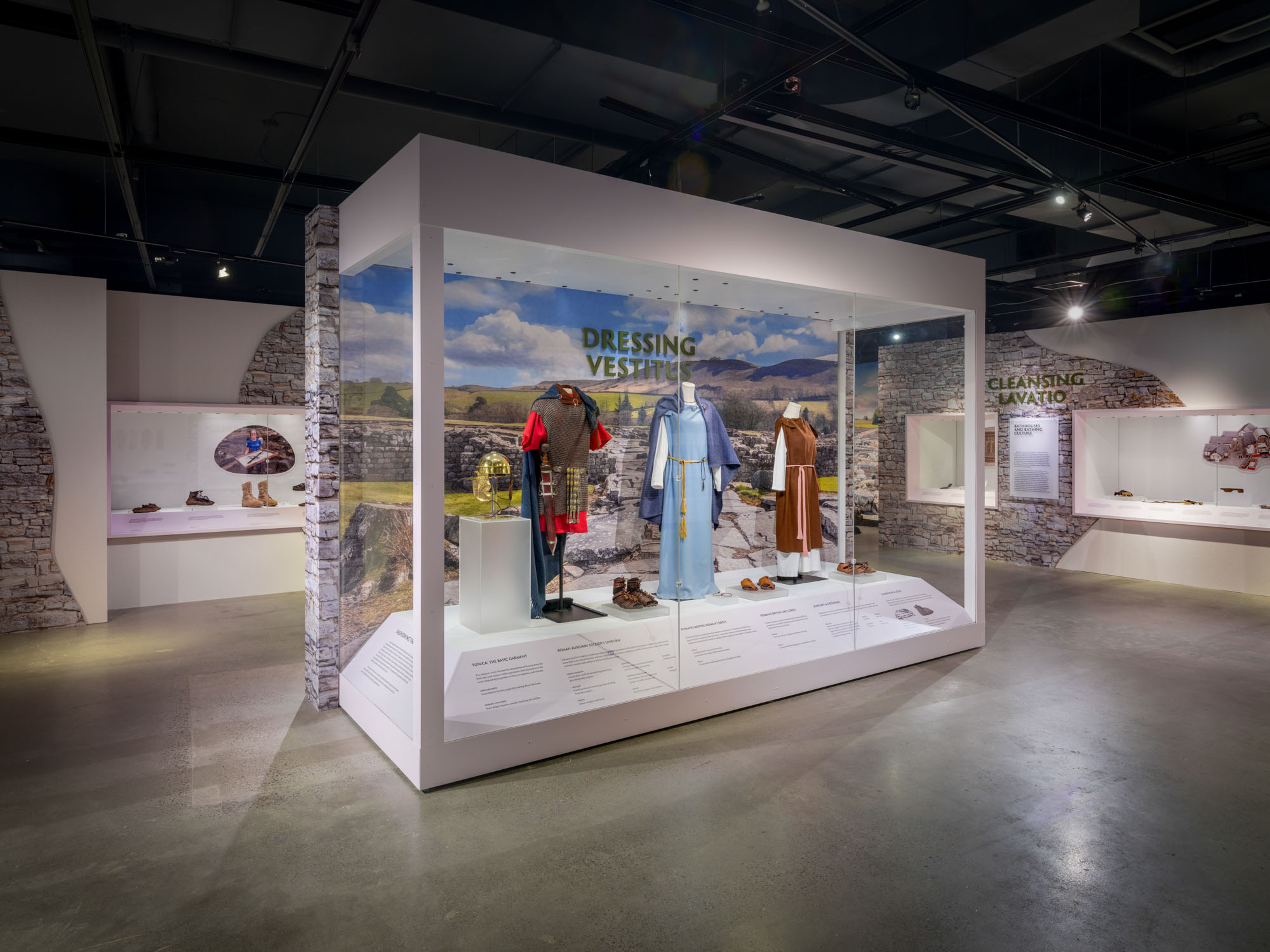
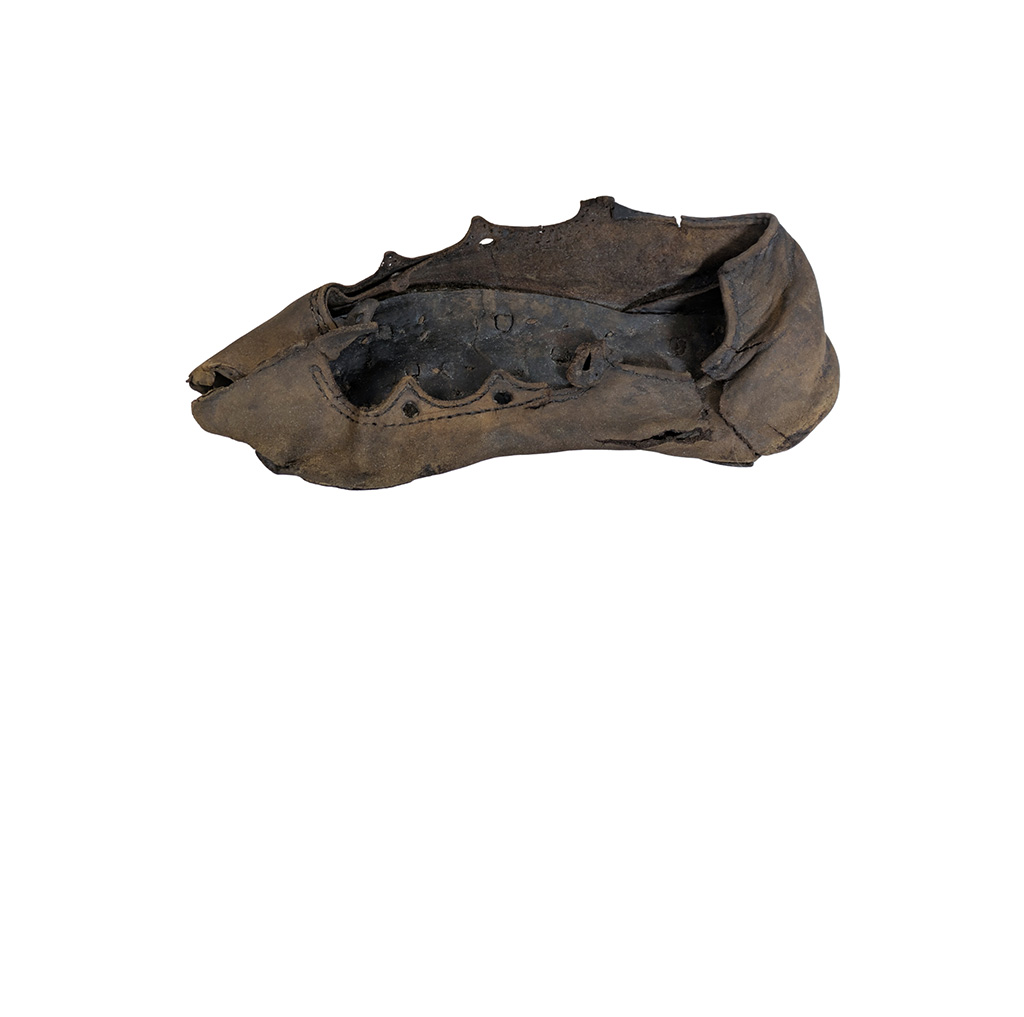
Collection of Vindolanda Trust, Mid 2nd century CE
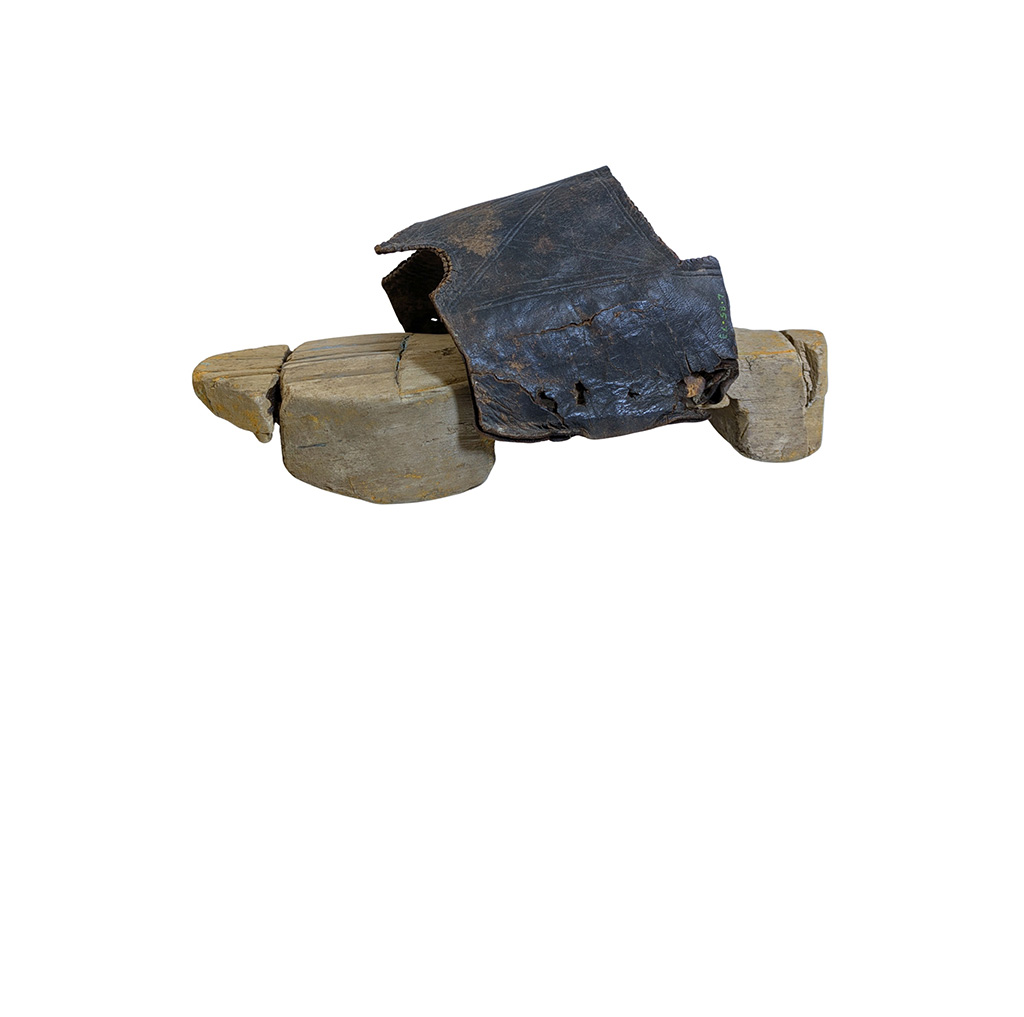
Collection of Vindolanda Trust, ca. 140-180 CE
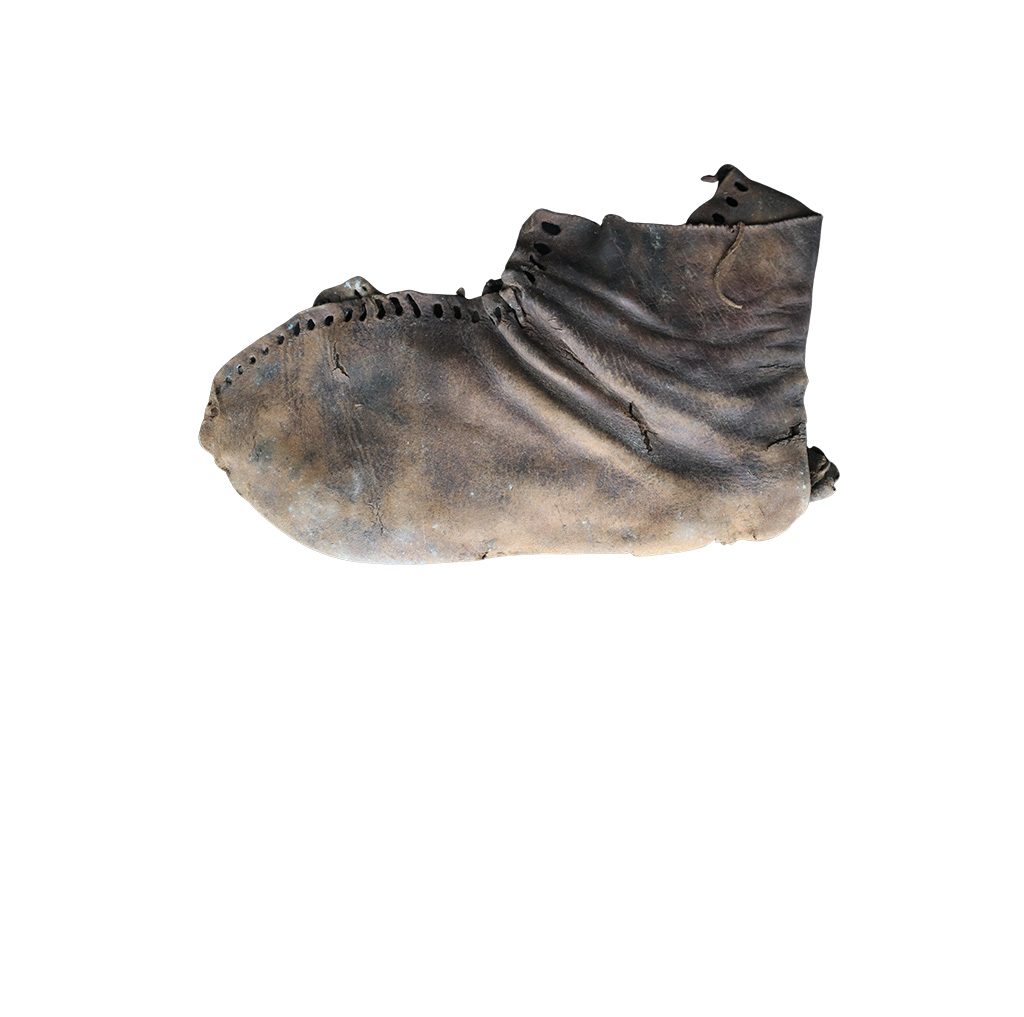
Collection of Vindolanda Trust, ca. 100-105 CE
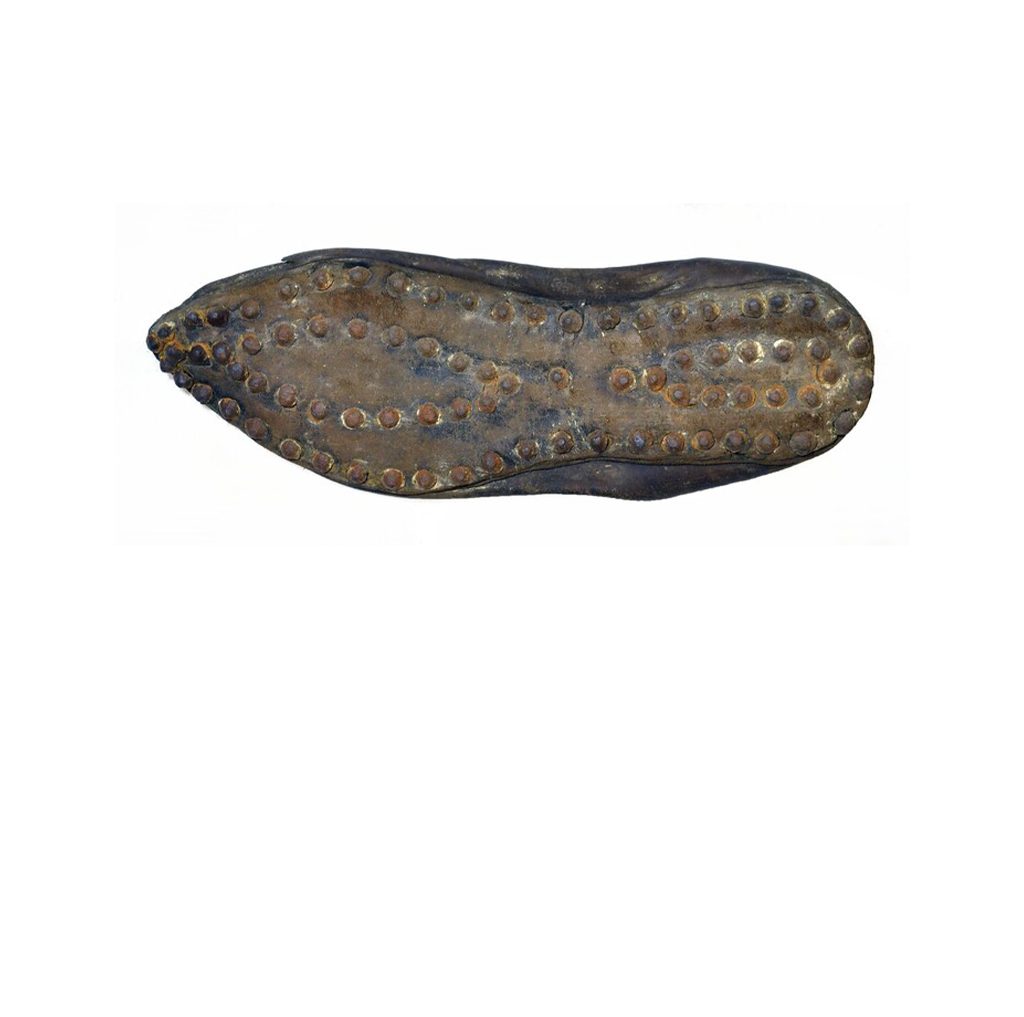
Collection of Vindolanda Trust, ca. 105-120 CE
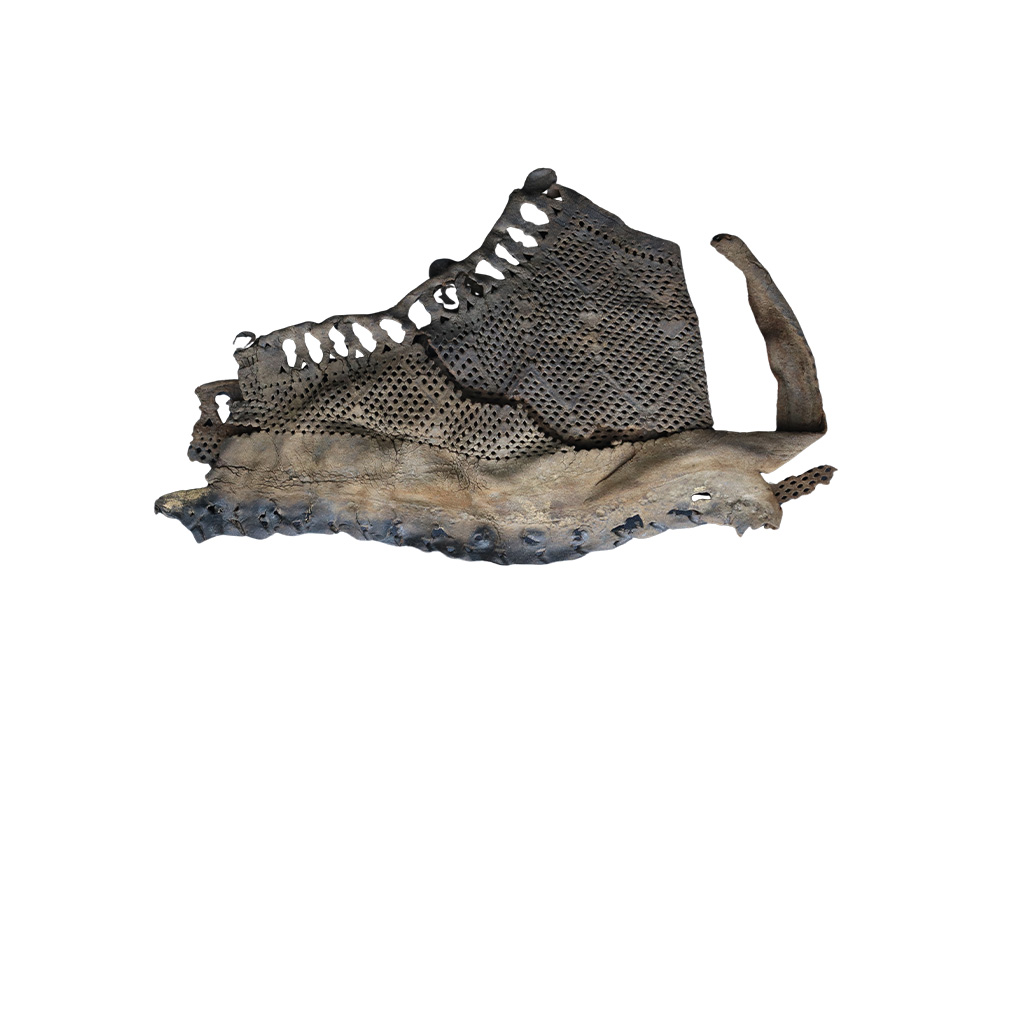
Collection of Vindolanda Trust, ca. 100-105 CE


André Perugia
André Perugia: A Design Legend Unveiled
October 2025 to April 2027
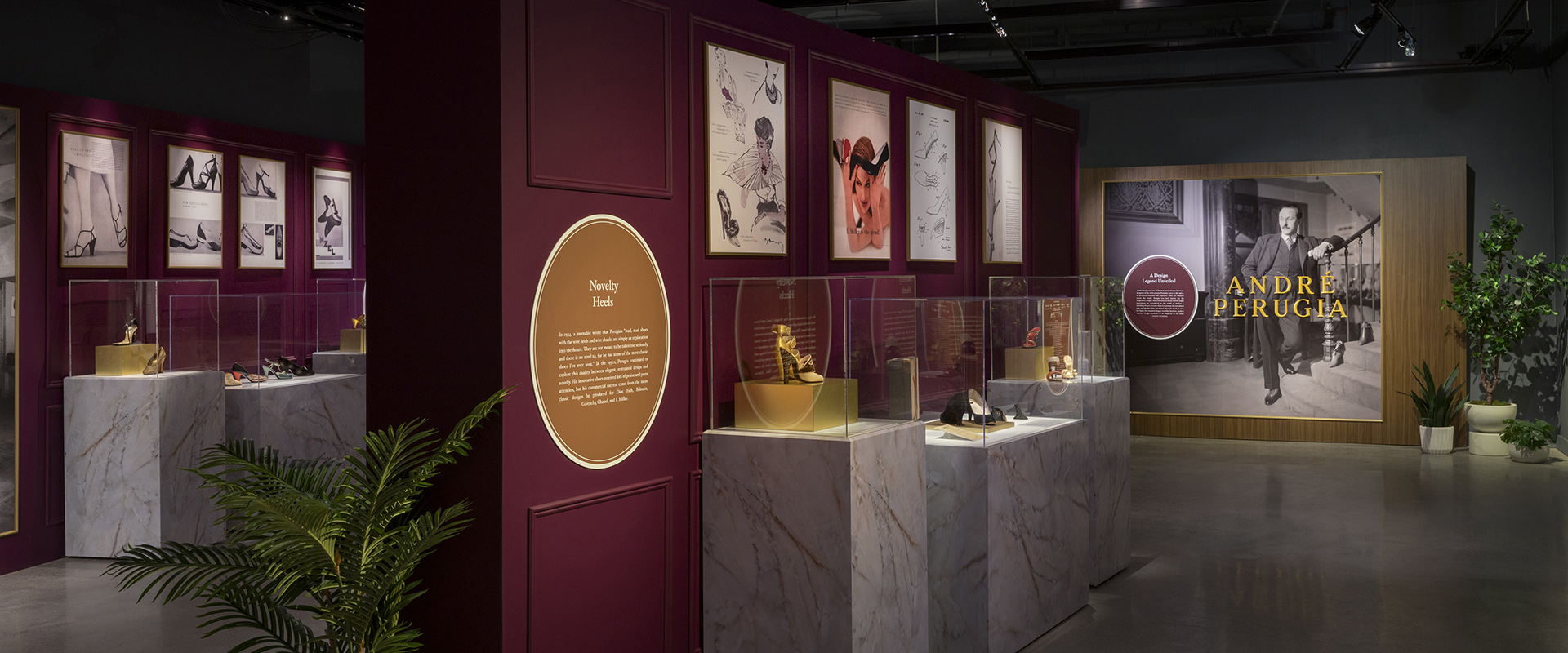
The Bata Shoe Museum explores the work of one of the most significant and under-researched footwear designers of the 20th century, André Perugia. A pioneering Italian-French shoe designer, André Perugia (1893-1977) is known for his architecturally innovative and technically masterful footwear designs. From his first boutique in Nice in the early 1920s, he revolutionized luxury footwear, creating shoes for fashion houses like Dior and Schiaparelli, as well as for celebrity clients including Josephine Baker, Mistinguette, and Princess Lillian of Belgium. His work is preserved in major museum collections worldwide.
Throughout the run of the exhibit, over 95 examples of the designer’s work dating from the 1920s through the 1960s, will be featured; shoes from contemporary designers inspired by his vision will also be on display. This exhibition will highlight the historical importance of Perugia’s work, contextualizing it within the larger framework of fashion across the decades. It will explore some of his most important innovations, including Perugia’s contribution to the development of the articulated sole and the stiletto heel.
André Perugia is curated by Nishi Bassi and includes objects from the BSM collection, and generous loans from Musée de la chaussure Romans-sur-Isère and Fondation Azzedine Alaia. The exhibition also features donations from Maison Schiaparelli and Manolo Blahnik.
Collection of Musée de la Chaussure
Collection of Musée de la Chaussure
Collection of Bata Shoe Museum
Collection of Musée de la Chaussure
Collection of Musée de la Chaussure
Collection of Musée de la Chaussure



All About Shoes

The BSM’s flagship exhibition, All About Shoes: Footwear Through the Ages, is a voyage through four and a half millennia of shoes. As well as presenting an engaging overview of the history of footwear, All About Shoes also explores the wider context of our fascinating collection.
Semi-Permanent Exhibition


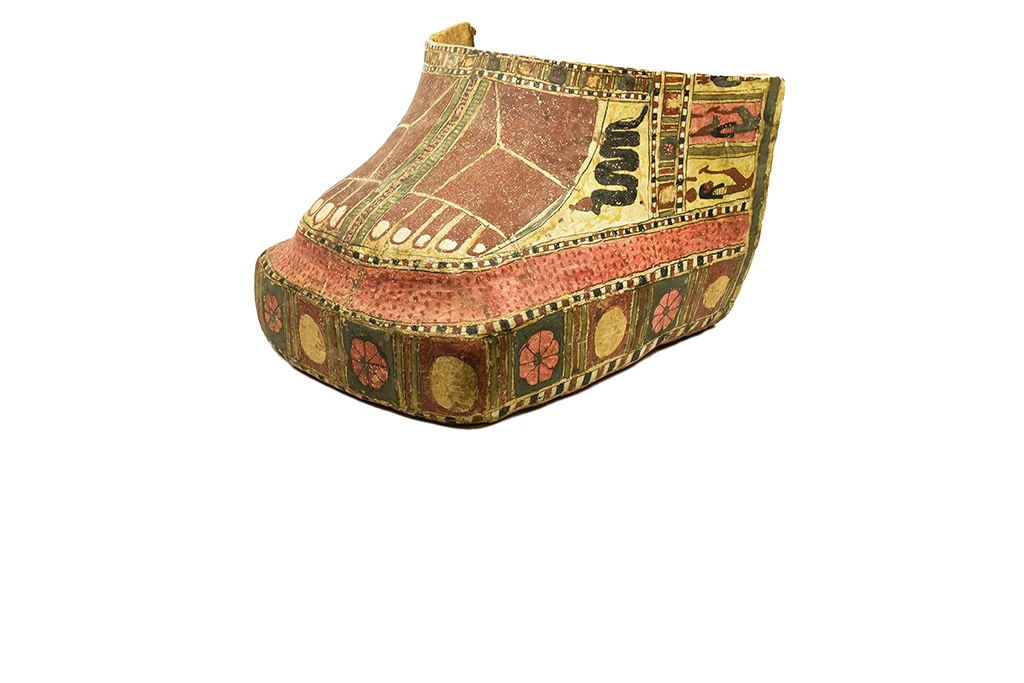
The surfaced of this rare piece of Egyptian cartonnage has been painted to draw viewer's attention to the feet and sandals of the deceased. The underside features painted sandals soles.
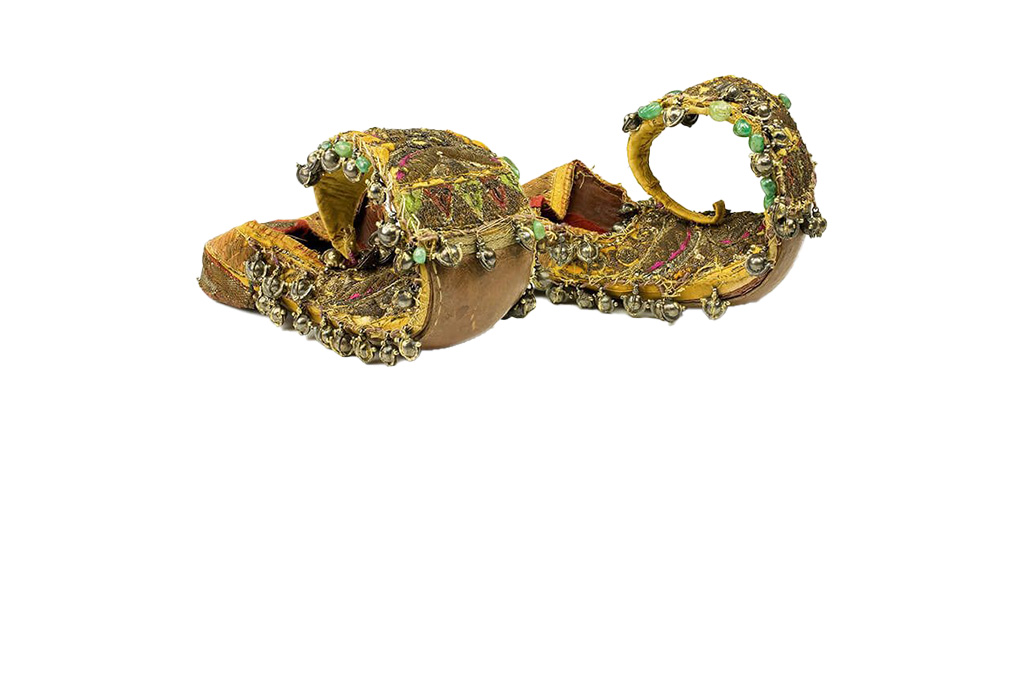
This pair of saffron coloured mojaris was worn by a temple dancer in Rajasthan. They feature gold zardo embroidery and the jade beads and brass bells would have created a beautiful tinkling sound when the wearer danced.
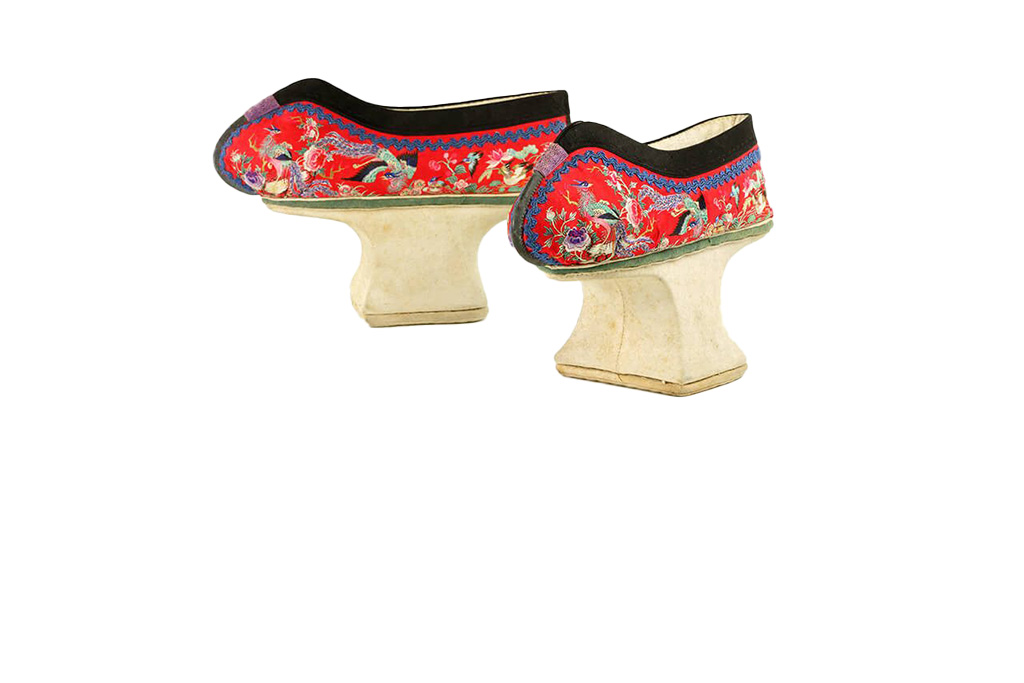
Manchu women were forbidden to have bound feet and instead wore high platform shoes that stilted their gait and allowed them to emulate the desirable shuffling ‘lotus walk’ of women with bound feet. Although the Manchu and the Han were distinct ethnic groups within China, they shared a similar artistic vocabulary, a fact attested to by the use of similar motifs such as the butterflies that decorate the uppers of these shoes.
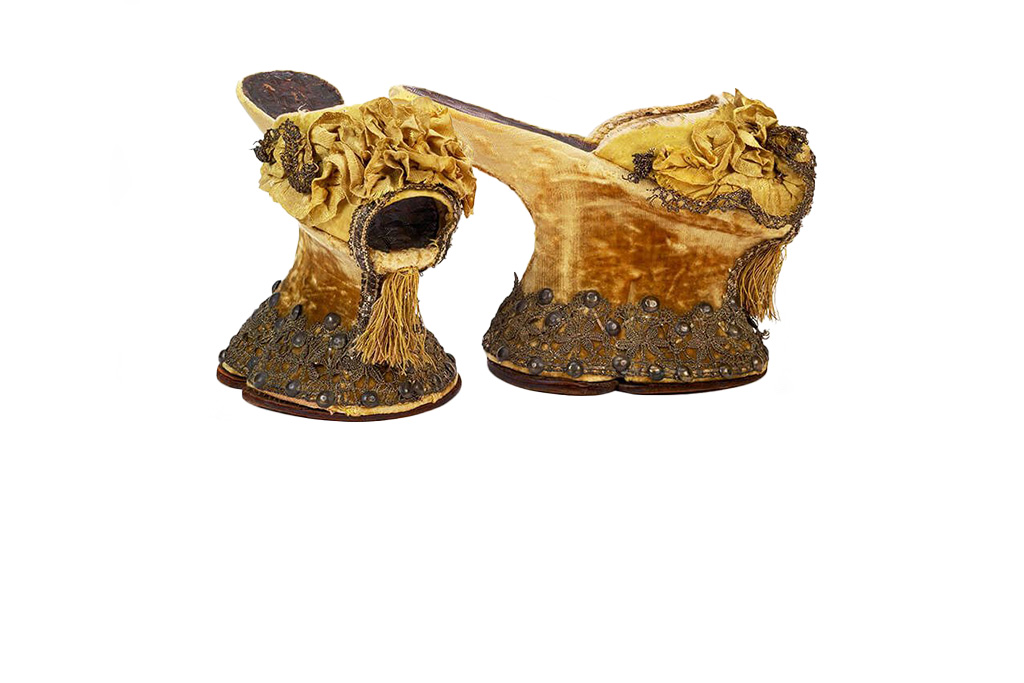
Platform footwear called chopines were a staple of upper-class women's fashion in Italy and Spain in the 16th century. In Italy chopines were made of wood and worn hidden under long dresses, while in Spain they were made of cork, highly decorated and worn visible. These chopines share similarities with both Italian and Spanish styles and comes from a part of Italy ruled by the Spanish.soles.
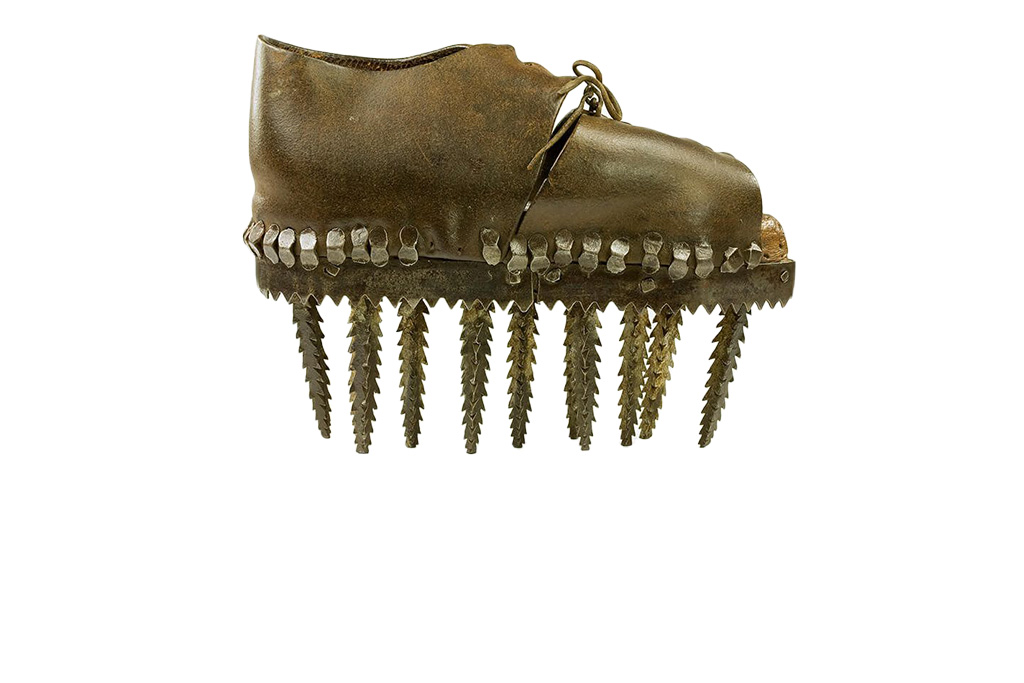
This menacing looking clog was worn in the Haute Ardèches region of Auvergne, France in the 19th century for the innocent task of crushing chestnuts. The chestnut was an important source of source of food for both people and animals. These peasant work clogs were tools essential to food production in the 19th century but today are fodder for the imagination
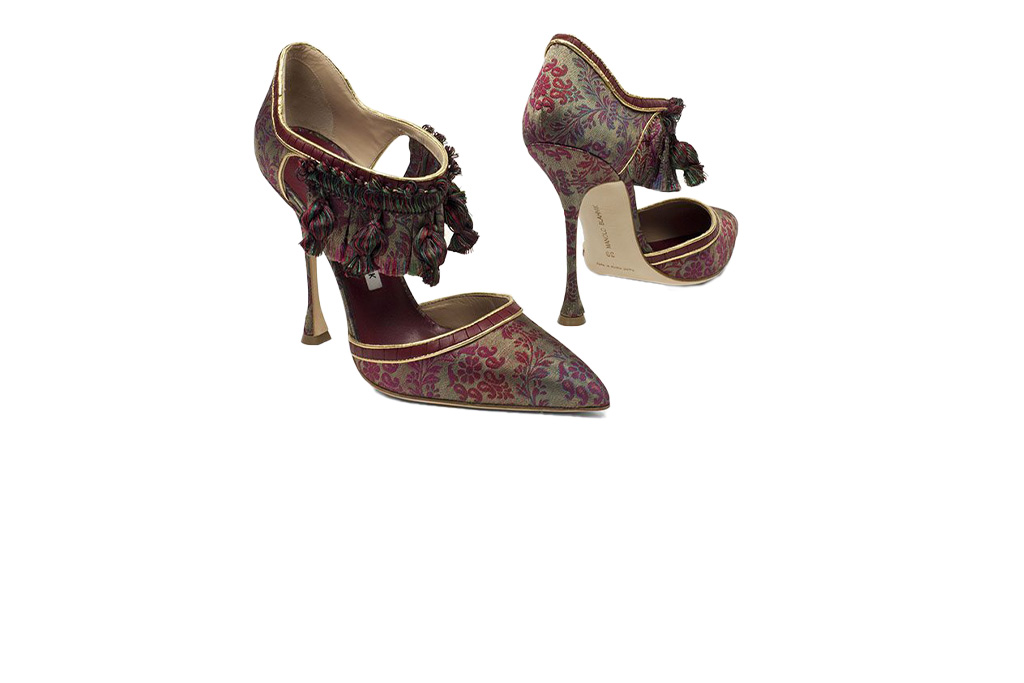
Spanish designer Manolo Blahnik (1942 - ) has been dedicated to the art of shoemaking since the 1970s. His work is often inspired by the elegance of the past which he translates into objects of desire for the present. This pair of Locka’s was gifted to the museum by Mr. Blahnik in 2014. It remains one of his favourite shoes of that season.

For media requests please contact Sarah Power, Head of Communications & Marketing.
For image requests please contact Alexandra Geropoulos, Collections Manager & Registrar
Rough and Ready
Rough & Ready: A History of the Cowboy Boot
On view until September 20, 2026
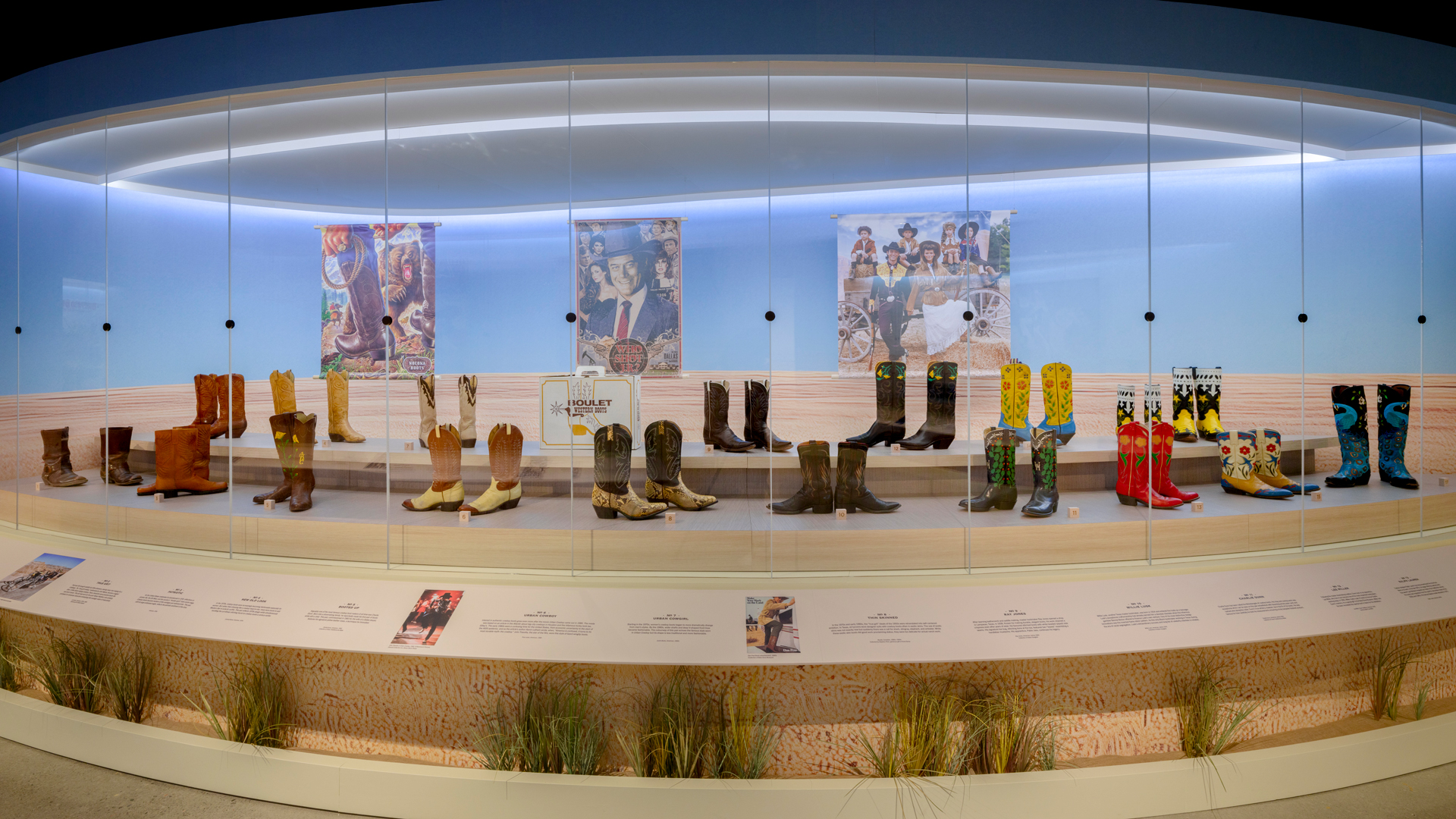
The story of the cowboy boot is steeped in history and legend and is neither simple nor straightforward. Since their invention in the late nineteenth century, cowboy boots have embodied contradiction. They have symbolized labor and leisure, freedom and domination, tradition and reinvention. Cowboy boots were born out of industrialization yet refined through expert craftsmanship, they have been used to both celebrate individualism and forge cultural cohesion. They were central to the closing of the West, yet endure as emblems of freedom and wide-open spaces. Over time, cowboy boots have signaled power and privilege as well as resistance and reclamation. Whether worn in the saddle, on screen, or in the streets, cowboy boots remain a cultural touchstone, embodying both tradition and transformation in a constantly changing world.
Rough & Ready is curated by Elizabeth Semmelhack, including objects and artworks from the BSM collection and 13 lenders. Lenders include: Adam Goeglein, Autry Museum of the American West, Barry Ace, Erik Semmelhack, Flora Knight, The Glenbow-Alberta Institute, Jamie Cuevas Nudie, Lee Miller, Lisa Sorrell, Lucchese Bootmaker, Orville Peck, Sarah Madeleine T. Guerin, and Tony Benattar.
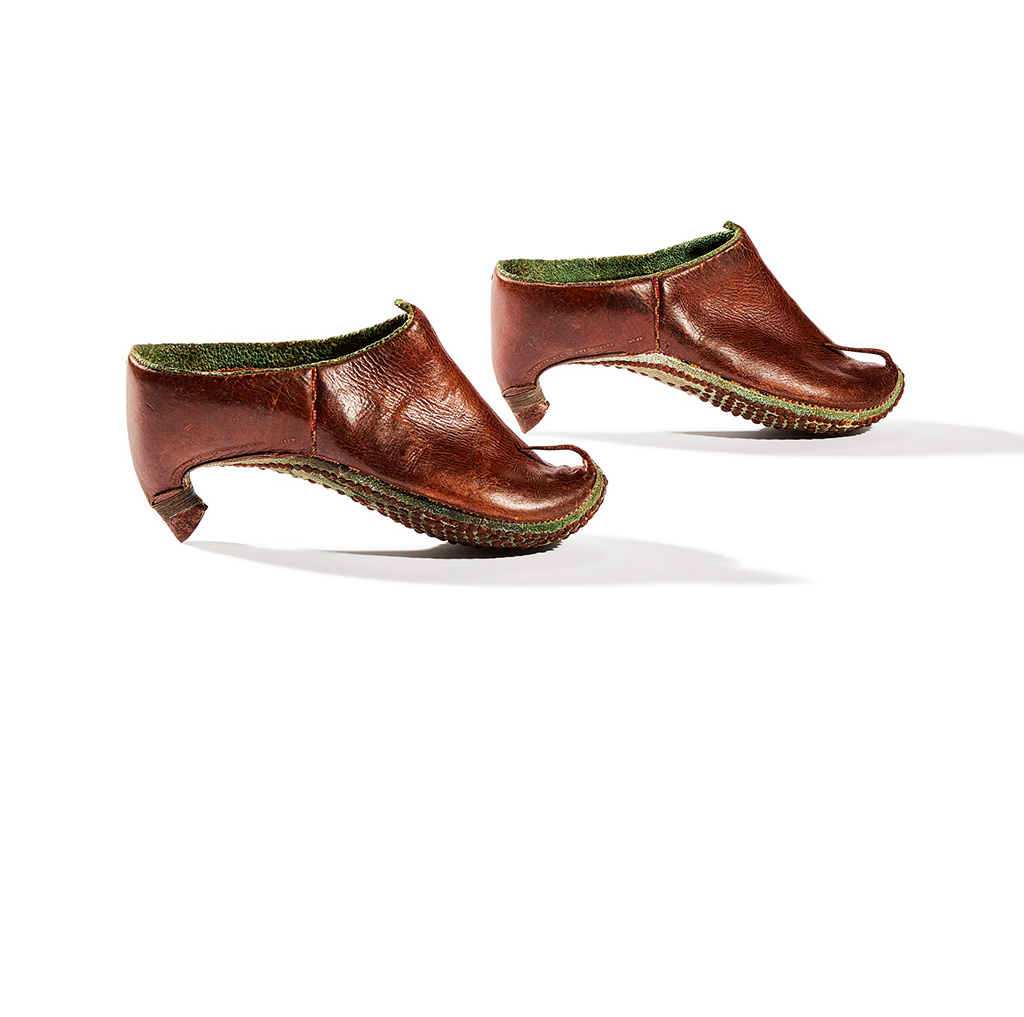
Persian, 18th or early 19th century
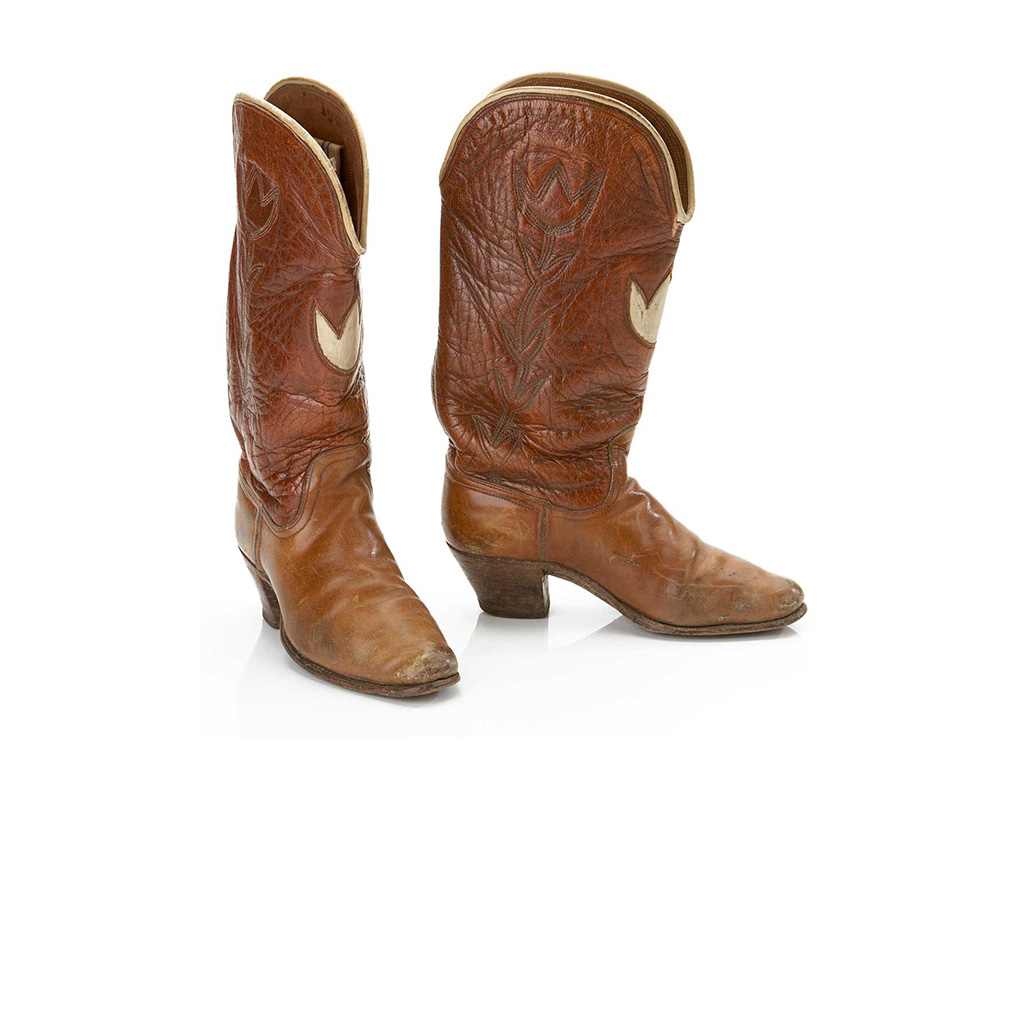
Riley & McCormick Co. Ltd, Canadian, 1922 – 1924. Collection of the Glenbow
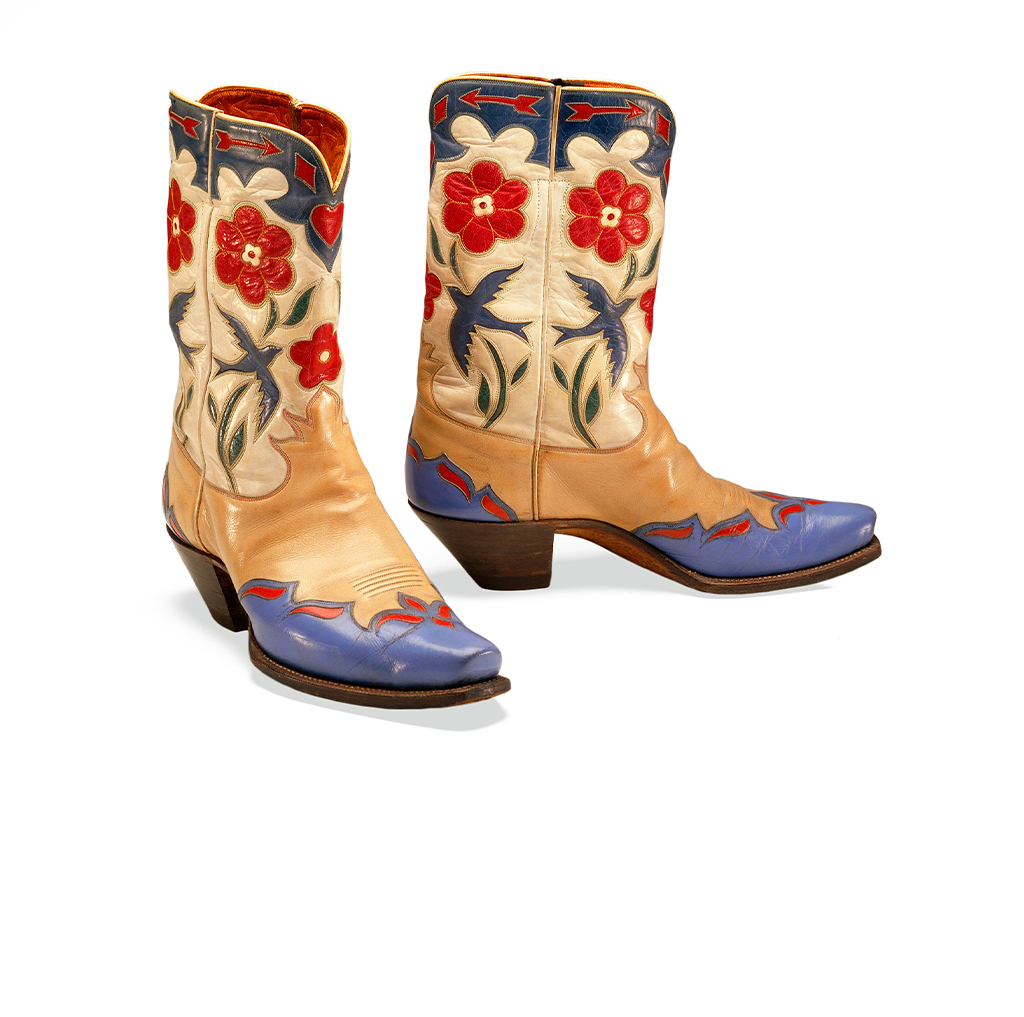
Olsen-Stelzer, American, mid-1930s. Collection of the Autry Museum of the American West
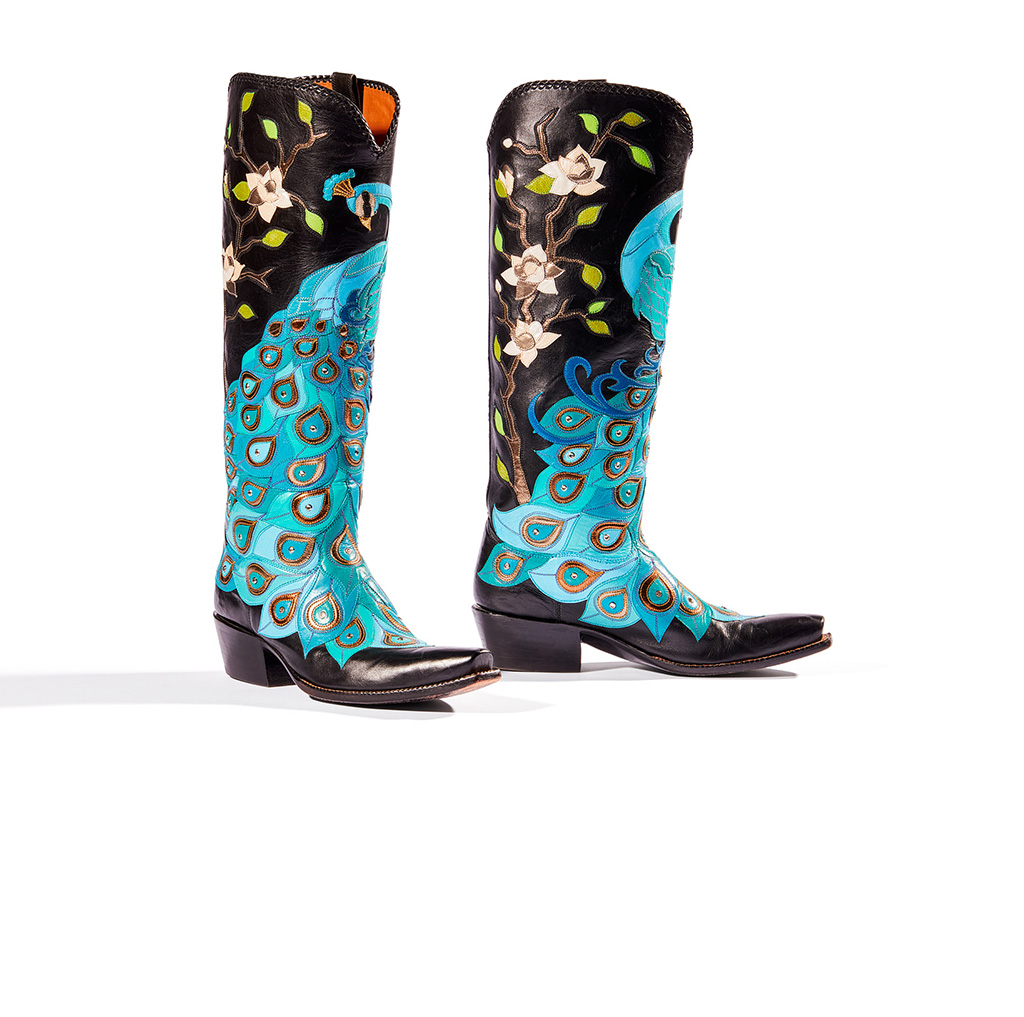
Rocketbusters Boots, American, 2010s
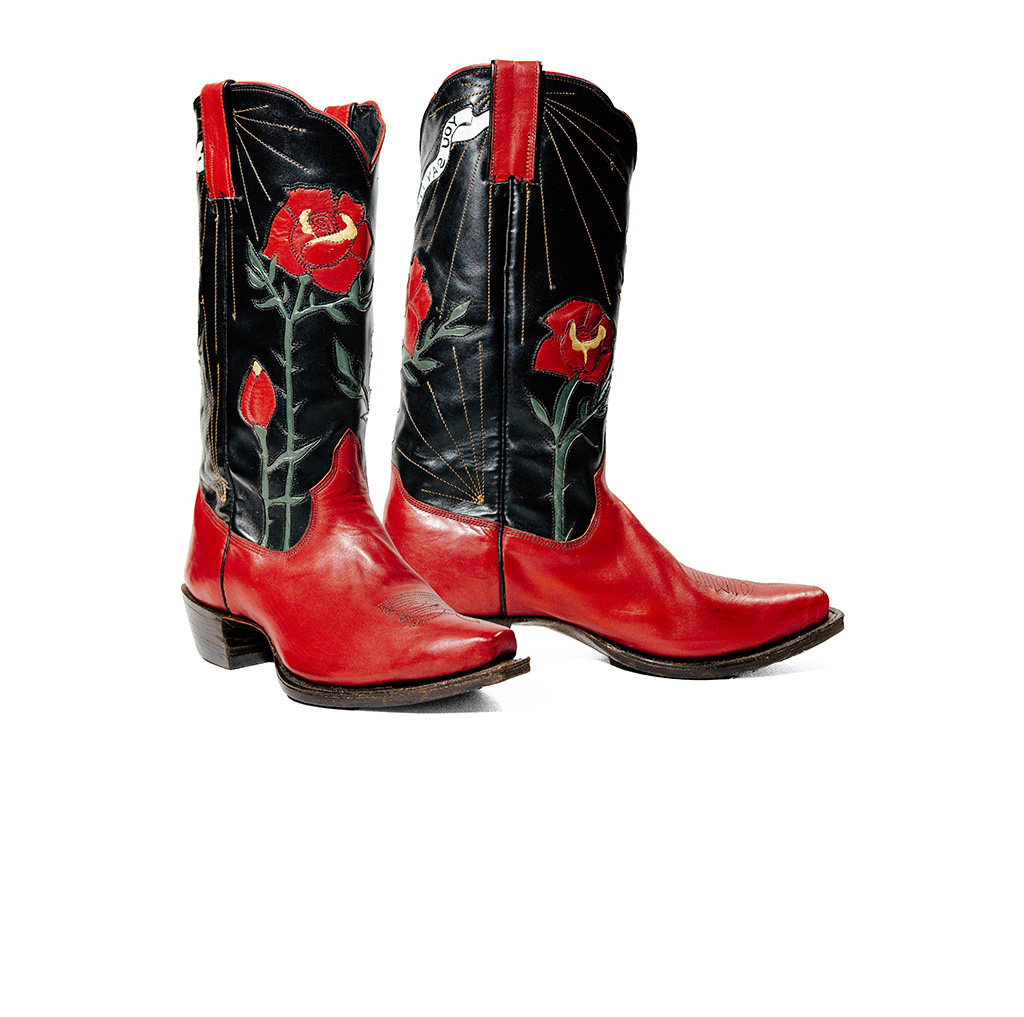
Underhill Studio, In the Dead of Night You Say its Time to Ride, American, 2024. Collection of Orville Peck


View press release.
Media Room
Press Releases



Media, Images & Interviews
For image access and permissions, information about the Museum including current and upcoming exhibitions or to book an interview with BSM Director & Senior Curator, Elizabeth Semmelhack, please contact Sarah Power, Head of Marketing & Communications at Sarah.Power@batashoemuseum.ca or 416.979.7799 x 225.
BSM in the News
Toronto Life: What to see, do, read and hear in Toronto this December
EE72: He Shaped the Vocabulary of Modern Shoe Design. Fashion Forgot
Lonely Planet: The ultimate weekend in Toronto
Destination Ontario: Must-visit museums in Ontario
Toronto Star: This singular Toronto Museum marked its 30th year with a cowboy-themed Hoedown
World Footwear: Elizabeth Semmelhack from the Bata Shoe Museum: It has been a remarkable 30 years
Ludwig Van: Toronto’s Bata Shoe Museum Celebrates 30 Years Of Showcasing Cultural & Fashion History
CNN: Dress Codes: Why did men stop wearing heels?
InStyle: Women Are Dominating Sneaker Culture Right Now
Washington Post: DIY espadrilles are one of Spain’s best souvenirs
Teen Vogue: How Ugly Shoes Went From Reviled to Revered
Stupid Dope: Art Meets Sole: Bata Shoe Museum’s ‘Art/Wear’ Exhibition Redefines Sneaker Culture
Hungry416: 30+ Things to Do in Downtown Toronto
Daily Hive: 3 jaw-dropping pieces you can expect to see at Bata Shoe Museum’s latest exhibit in Toronto
Curiocity: New Toronto sneakers exhibition platforms dozens of rare shoe creations from KAWS to Basquiat
blogTO: 3 jaw-dropping pieces you can expect to see at Bata Shoe Museum’s latest exhibit in Toronto
Globe and Mail: There’s something for everyone in this fall’s mixed bag of cultural events
Radio Canada: Sneakers in the museum: is it art?
Galleries West Magazine: Quick Pick – Sneakers Become Art at the Bata Shoe Museum
Footwear News: Bata Shoe Museum To Open ‘Art/Wear: Sneakers x Artists’ Exhibition
Head Topics: 7Freaky sneaks: The mutt shoe beloved by Beyoncé and JLo making a comeback
Travel Mag: 7 Exhibitions to Visit in Toronto this Fall
Globe & Mail: Taylor Swift is already transforming Toronto — and her private jet hasn’t even landed yet
Art Net: From KAWS to MSCHF—A New Show Celebrates Artists Who Have Made Sneakers Their Canvas
View the Vibe: Find these exclusive limited edition sneakers at Bata Shoe Museum’s new art exhibit
Now Toronto: This Toronto museum pass can save you up to 70% off. Here’s 7 exhibitions to check out over March break
Forbes: Visit Bata Shoe Museum’s Crime And Footwear Exhibition
Footwear News: Bata Shoe Museum Opens New Spring Exhibition, Photos
Stitchdown: The (Mostly) Complete History of Boots with Bata Shoe Museum Director Elizabeth Semmelhack
Designlines: This Exhibition Explores the Allure of Retro Footwear
Herein: From Stilettos to Sandals: A Journey Through Time at the Bata Shoe Museum
CBC: Diversity in museums: structures must change, according to art curators
Narcity Toronto: Bata Shoe Museum Will Take You Back To The 80s With Their New Exhibit
CP24:
Bata Shoe Museum celebrating 80s fashion
The Kit: Step into the ’80s: A look inside the Bata Shoe Museum’s new exhibition Dressed to Impress
Foyer Magazine: The Bata Shoe Museum time travels to the 1980s
BlogTO: Toronto museum transformed into a 1980s mall and it’s peak nostalgia
Streets of Toronto: City set to unveil long overdue people-centred plan for Avenue Road
BlogTO: Here are the places you can find Indigenous art in and around Toronto
Footwear News: Bata Shoe Museum’s Latest Exhibit Will Focus on Consumerism and the Shoes of the 1980s
Yahoo News: Bata Shoe Museum’s Latest Exhibit Will Focus on Consumerism and the Shoes of the 1980s
Footwear Research Network: Book Review: Future Now: Virtual Sneakers to Cutting-Edge Kicks
Well and Good: Crocs History
CNN: The controversial history of Barbie’s classic stiletto mule heels
National Geographic: Chopine Shoes Wealth Status Balance
Ancient Origins: Shoe Design
CNN: Why does it matter that Barbie is on her tiptoes?
Radio Prague International: Bata Shoe Museum in Toronto celebrates the diversity of footwear in the history of humankind
Sharp Magazine: 9 Canadian Art Exhibitions Worth Travelling For
Vinepair: Drinks Brands Keep Releasing Shoe Collabs and Sneakerheads Can’t Get Enough
Narcity: This New Exhibition In Toronto Is Simply Enchanting
Narcity: This Futuristic Exhibition Is Happening In Toronto & Here’s A First Look
Forbes: 5 Women Artists Who Make Fashion Forward Contemporary Art
“There are countless fashion museums across the world, from the Victoria and Albert Museum in London to the Palais Galliera in Paris, the FIT Museum in New York, and the Bata Shoe Museum in Toronto.”
Rollout: True to Size founder Jazerai Allen-Lord created a lane for women sneaker-lovers
MSN: Underrated Canadian Attractions To Visit Before the Crowds Catch On
View The Vibe: Here are all the Pride events happening in Toronto this June
BlogTO: Toronto Museum is throwing a party after dark that’s the first of its kind.
BlogTO: Everything about Toronto pride month 2023
Stacker: A brief history of the shoes and moments that defined sneaker culture
New York Times: Why Ted Lasso’s Shoe Game Is So Strong
Princeton Daily Clarion: A brief history of the shoes and moments that defined sneaker culture
Toronto.com: EXPLORE SITES FOR FREE: Doors Open Toronto returns with more than 150 sites
Toronto Guardian: 10 Things to do in Toronto on a Rainy Day
Fairchild TV: Interview with Elizabeth Semmelhack
Fashion Magazine: Zendaya is Louis Vuitton’s Newest Ambassador + Other Fashion News
To Do Canada: Cherry Blossoms to Tulips: Step into Spring with the Bata Shoe Museum’s Flowers and Footwear Exhibition
The Guardian: Walking on air: how Jordan launched nerdy Nike into the stratosphere
Wall Street Journal: More Movies About Shoes Are on the Way
Winnipeg Free Press: Toronto The Good
Radio New Zealand: Is anyone wearing high heels?
Brantford Expositor: Student art work to become part of Long Point mural
North Forty News: Denver Art Museum Celebrates Sneaker Culture and Wine at Luncheon by Design and Uncorked
Washington Post: Some Shoe-leather Reporting on the Weird Way Men’s Shoes Are Laced
StyleDemocracy: 10 Things To Do On Your Own In Toronto
The Independent: Fairbank’s boots turning heads in Toronto exhibit
The Sarnia Observer: Glamorous footwear from Petrolia’s oil boom on display in Toronto
CNN: Why these chunky, ugly running shoes are selling like crazy
Newsmax: Hoka: The Chunky, Ugly Sneaker Craze
Globe and Mail: The story of sneaker culture: From niche obsession to multi-billion dollar reselling industry
Globe and Mail: The 10 most remarkable and memorable artworks at Canadian galleries in 2022
The Kit: The Chicest Coffee Table Books to Wrap Up This Year
Forbes: Why Your Next City Break Should Be Toronto, Canada
CNN’s Downside Up: What if we lived in a world without sneakers?
CBC’s The Current: Charting the story of humanity through footwear
Globe and Mail: From shoeaholics to sneakerheads: Bata Shoe Museum asks why we own so many pairs
Toronto Guardian: Staycation in the City at The Kimpton Saint George
Smithsonian Magazine: These 18th-Century Shoes Underscore the Contradictions of the Age of Enlightenment
Highsnobiety: What Does The Future of Sneakers Look Like? The Bata Shoe Museum might know.
STIRworld: The odyssey of futuristic footwear at Bata Shoe Museum in Toronto
New York Times: Toronto Steps into Summer
Breakfast Television: This is what the future of footwear looks like
Tourism Academy: A Step Inside the Bata Shoe Museum with Director Elizabeth Semmelhack
BCC: The women kicking off their high heels at work
Sharp Magazine: Calling All Sneakerheads: The Bata Shoe Museum’s Newest Exhibition Is For You
Complex Magazine: This Toronto Exhibit Brings Sneakers to the Metaverse
Flaunt Magazine: Future Now | Opening at the Bata Shoe Museum
Surface Magazine: Forecasting the Complicated Future of Footwear
Fashion Magazine: Sci-fi Sneakers are the Future of Footwear
The Kit: A Shoe Pro Shares the Five Best Fashion-y Sneakers to Buy This Summer
Skate Canada: Bata Shoe Museum Launches New Virtual Exhibition Exploring Canadian Figure Skating
Toronto Star: All Dolled Up, at the Bata Shoe Museum, showcases tiny footwear